
SaaS Distributor Management Software for Enterprises: The Complete Guide to Streamlining Your Distribution Network
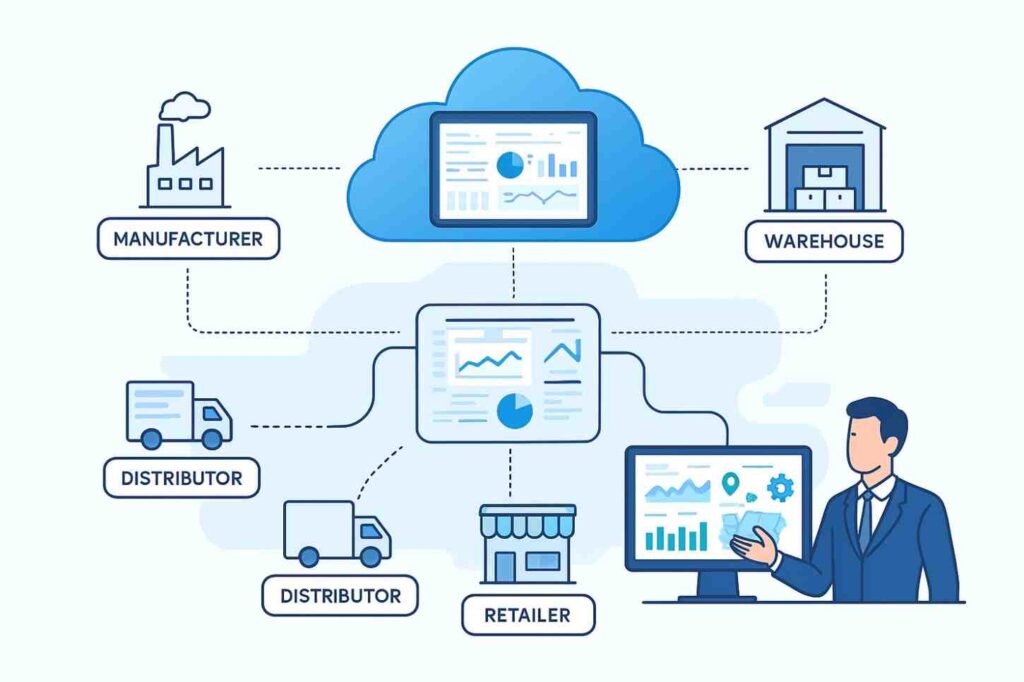
In today’s rapidly evolving business landscape, enterprises managing complex distribution networks face unprecedented challenges. Traditional spreadsheets and disconnected systems no longer suffice when coordinating hundreds of distributors across multiple regions. This is where SaaS distributor management software emerges as a game-changing solution for modern enterprises.
Understanding SaaS Distributor Management Software
SaaS distributor management software is a cloud-based platform designed to help enterprises efficiently manage, monitor, and optimize their distributor relationships and operations. Unlike legacy on-premise solutions, these modern platforms offer real-time visibility, automated workflows, and seamless integration capabilities that transform how businesses interact with their distribution channels.
The software centralizes critical distributor data, streamlines communication, automates routine processes, and provides actionable insights that drive strategic decision-making across your entire distribution ecosystem.
Why Enterprises Are Moving to Cloud-Based Distributor Management
The shift from traditional SaaS Distributor Management Software methods to SaaS solutions represents more than just technological advancement. Enterprises are discovering that cloud-based platforms deliver tangible business value that directly impacts their bottom line.
Scalability Without Infrastructure Costs
Traditional software requires significant upfront investment in servers, licenses, and IT infrastructure. SaaS solutions eliminate these capital expenditures, allowing enterprises to scale their distributor network without proportional increases in technology costs. As your business expands into new markets or adds distribution partners, the software grows with you seamlessly.
Real-Time Visibility Across Your Network
Modern enterprises operate globally, often across multiple time zones with distributors in diverse locations. SaaS platforms provide instant access to critical data from anywhere with internet connectivity. Leadership teams can monitor distributor performance, inventory levels, and sales metrics in real-time, enabling faster and more informed decision-making.
Reduced IT Burden and Maintenance
Cloud-based solutions transfer the responsibility of software updates, security patches, and system maintenance to the vendor. Your IT team can focus on strategic initiatives rather than managing infrastructure, while your distributors always access the latest features without disruptive upgrade cycles.
Core Features That Define Leading Distributor Management Platforms
When evaluating SaaS distributor management software, enterprises should prioritize platforms that offer comprehensive functionality tailored to complex distribution requirements.
Centralized Distributor Portal
A self-service portal empowers distributors to access product information, place orders, track shipments, and manage their accounts independently. This reduces administrative burden on your team while improving distributor satisfaction through immediate access to the resources they need.
Inventory and Order Management
Advanced platforms provide end-to-end visibility into inventory across your entire distribution network. Track stock levels at each distributor location, automate reordering processes, and prevent stockouts or overstock situations that impact revenue and customer satisfaction.
Performance Analytics and Reporting
Data-driven insights separate high-performing distributor management systems from basic tools. Look for platforms that offer customizable dashboards, automated reporting, and predictive analytics that identify trends, forecast demand, and highlight opportunities for optimization.
Partner Relationship Management
Beyond transactional operations, effective software nurtures distributor relationships through communication tools, training resources, and performance incentive tracking. Strong partner relationships lead to increased loyalty, better market coverage, and higher sales velocity.
Pricing and Margin Management
Sophisticated pricing engines allow enterprises to implement complex pricing structures, volume discounts, regional variations, and promotional campaigns while maintaining margin visibility across your distribution channel.
Integration Capabilities
Modern enterprises operate using diverse technology stacks. Your distributor management software should integrate seamlessly with existing ERP systems, CRM platforms, accounting software, and e-commerce solutions to create a unified operational environment.
Benefits That Transform Enterprise Distribution Operations
Implementing SaaS distributor management software delivers measurable improvements across multiple dimensions of your business.
Enhanced Operational Efficiency
Automation of routine tasks like order processing, invoice generation, and inventory updates frees your team to focus on strategic activities. Many enterprises report reducing administrative workload by 40-60% after implementing comprehensive distributor management platforms.
Improved Distributor Performance
When distributors have access to better tools, training resources, and real-time information, they perform better. Enhanced communication channels and transparent performance metrics create accountability and motivation that drives results.
Better Compliance and Control
For enterprises operating in regulated industries or across international borders, maintaining compliance is critical. SaaS platforms provide audit trails, enforced approval workflows, and configurable business rules that ensure operations align with regulatory requirements and corporate policies.
Faster Market Expansion
Onboarding new distributors becomes significantly faster with standardized processes and self-service capabilities. What previously took weeks can often be accomplished in days, accelerating your market entry and competitive positioning.
Data-Driven Strategic Planning
Comprehensive analytics transform raw operational data into strategic insights. Identify which distributors drive the most value, which products have the highest velocity in specific markets, and where operational bottlenecks limit growth.
Key Considerations When Selecting SaaS Distributor Management Software
Choosing the right platform requires careful evaluation of both current needs and future requirements.
Scalability and Flexibility
Your chosen solution should accommodate growth in distributor count, transaction volume, and geographic expansion without performance degradation or cost prohibitions. Evaluate how the pricing model scales and whether the platform can support international operations with multi-currency and multi-language capabilities.
User Experience and Adoption
The most feature-rich platform delivers no value if distributors and internal teams don’t use it effectively. Prioritize solutions with intuitive interfaces, mobile accessibility, and comprehensive training resources that facilitate rapid adoption.
Security and Compliance
Distributor management systems contain sensitive business data, pricing information, and partner details. Ensure your chosen platform implements enterprise-grade security measures, including data encryption, role-based access controls, regular security audits, and compliance with relevant standards like SOC 2, GDPR, or industry-specific regulations.
Vendor Support and Reliability
Evaluate the vendor’s track record for system uptime, customer support responsiveness, and ongoing product development. Look for providers that offer dedicated account management, comprehensive documentation, and active user communities.
Total Cost of Ownership
Beyond subscription fees, consider implementation costs, training expenses, integration development, and potential customization requirements. A transparent vendor will provide clear pricing and help you understand the complete financial picture.
Implementation Best Practices for Enterprise Success
Successful implementation of distributor management software requires thoughtful planning and execution.
Start with Clear Objectives
Define specific, measurable goals for your implementation. Whether reducing order processing time, improving distributor satisfaction scores, or increasing inventory turnover, clear objectives guide configuration decisions and provide benchmarks for success measurement.
Engage Distributors Early
Your distributors are key stakeholders in this transformation. Involve them in the selection process, gather their feedback on requirements, and communicate clearly about how the new system will benefit their operations. Early engagement builds buy-in and smoother adoption.
Phase Your Rollout
Rather than attempting a big-bang implementation across your entire network, consider a phased approach. Start with a pilot group of distributors, learn from the experience, refine processes, and then expand systematically.
Invest in Training and Change Management
Technology alone doesn’t drive transformation. Comprehensive training programs for both internal teams and distributors, along with clear communication about changes and benefits, significantly impact adoption rates and ultimate ROI.
Monitor and Optimize Continuously
Implementation is not a one-time event but an ongoing journey. Regularly review system usage, gather user feedback, analyze performance metrics, and work with your vendor to optimize configuration and leverage new features as they become available.
The Future of Enterprise Distributor Management
As technology continues evolving, SaaS distributor management platforms are incorporating increasingly sophisticated capabilities.
Artificial intelligence and machine learning are enabling predictive analytics that forecast demand patterns, identify at-risk distributor relationships, and recommend optimal inventory allocation. Advanced automation is streamlining even complex workflows, while integration with IoT devices provides unprecedented visibility into product movement throughout the supply chain.
Mobile-first experiences are becoming standard, recognizing that SaaS Distributor Management Software and sales teams operate increasingly from smartphones and tablets rather than desktops. These platforms are also embracing collaboration features that transform distributor relationships from transactional interactions into strategic partnerships.
Making the Strategic Decision
For enterprises managing significant distributor networks, SaaS distributor management software represents a strategic investment rather than a mere operational tool. The right platform transforms distribution from a cost center requiring constant oversight into a strategic advantage that drives competitive differentiation.
As you evaluate options, focus on solutions that align with your specific business model, integrate smoothly with your existing technology ecosystem, and come from vendors committed to ongoing innovation and partnership.
The SaaS Distributor Management Software landscape continues to grow more complex, with rising customer expectations, global competition, and evolving market dynamics. Enterprises that equip their distribution networks with modern, cloud-based management tools position themselves to thrive in this challenging environment while those relying on outdated approaches risk falling behind.
The question is not whether to modernize your distributor management approach, but rather how quickly you can implement solutions that unlock the full potential of your distribution network.
Ready to Transform Your Distribution Network?
Selecting the right SaaS distributor management software is a critical decision that impacts every aspect of your distribution operations. Take time to thoroughly evaluate options, engage stakeholders across your organization and distribution network, and choose a partner committed to your long-term success.